
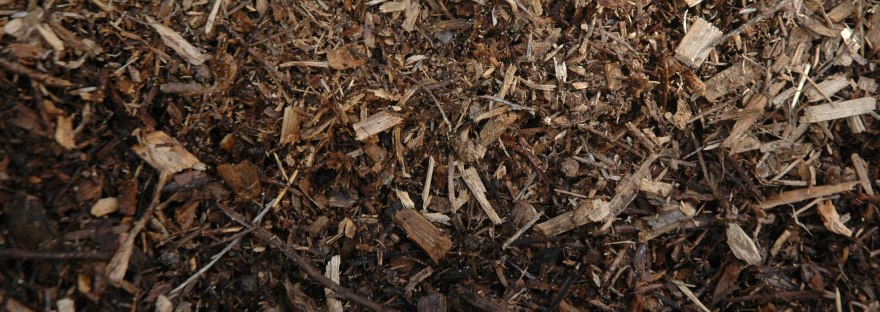
In this interview, I chat to Iain Tolhurst from the UK about using woodchip
on his farm.
I discovered Iain Tolhurst’s work when I Googled Veganic in 2016. Tolhurst grows certified organic food on leased land for a box scheme and farm shop in the UK. He has been growing without using animal inputs such as manures and blood and bone, on just under 20 acres (about 8 hectares) for 35 years. His farm was described in George Monbiot’s 2022 book Regenesis as “a genuinely regenerative, organic system”1 using no artificial or livestock inputs and creating a space for diversity and wildlife to return.
Tolhurst grows about 100 different varieties of vegetables on his farm. He uses a system of long seven-year rotations and times the planting of the various crops to fit their differing fertility needs. When a plot is at the end of five years, he takes it out of production for two years to build the soil fertility using green manures of legumes and wildflowers to which he also adds ramial woodchip.
It was his use of woodchip that I was particularly interested in when I asked for an interview. Woodchip offers a good addition to the growing toolkit of alternative solutions to using manures, other animal inputs or artificial fertilisers in gardens and growing systems.
Woodchip at Tolhurst Organics
While we are used to seeing woodchips around fruit trees, on ornamental perennial beds and in forest gardens, using it in vegetable beds often raises questions about nitrogen lockup and soil health. Nitrogen lockup can occur when a carbon-rich material, such as woodchip, creates an imbalance in the soil. However, Tolhurst agreed to the interview as he wanted to highlight the potential of using woodchip in horticultural growing systems.
At Tolhurst’s farm, they use woodchips in various ways; as a propagation substrate, a seedling mix, applying it directly to the plots to build fertility and as a weed suppressant on pathways in tunnel houses. However, he explains, the key to the system working and avoiding nitrogen lockup, is to use different forms of woodchip, appling it correctly, and timing the harvest of the woodchip.
Tolhurst sources the woodchip for the farm from local arborists and it comes from a mix of trees, usually from local gardens. Using local material also reduces the carbon footprint of transport, an issue with many fertilisers. Tolhurst explains that the woodchip is very different from wood shavings or sawdust, as using these would cause issues as they are difficult to compost.
Woodchips and composting
Once the woodchip arrives on the farm, it is composted in a long pile called a windrow. This is turned four times in the first year, after which it is applied directly in the tunnel houses as compost.
To make a seed-raising mix, they also keep some of this composted woodchip and continue composting it for another six months to two years. At this stage, it becomes very crumbly and there is not much visible woodchip left. They then grade it and add a little vermiculite. In Tolhurst’s experience he says, it acts as well as any peat-based material. Finding an alternative to peat-based material has been important in their search for alternative fertility-building materials, especially in potting mixes.
Ramial woodchip
Ramial woodchip is an exciting development in growing systems and growers are experimenting with its use. Ramial woodchip is chipped branch wood sourced from branches less than 7cm in diameter and excludes any wood from the tree trunk. The reason for using chipped branch wood is it has a lower carbon-to-nitrogen ratio than trunk wood and, as the chip is applied fresh, it retains many of the tree’s nutrients and energy in the chip.
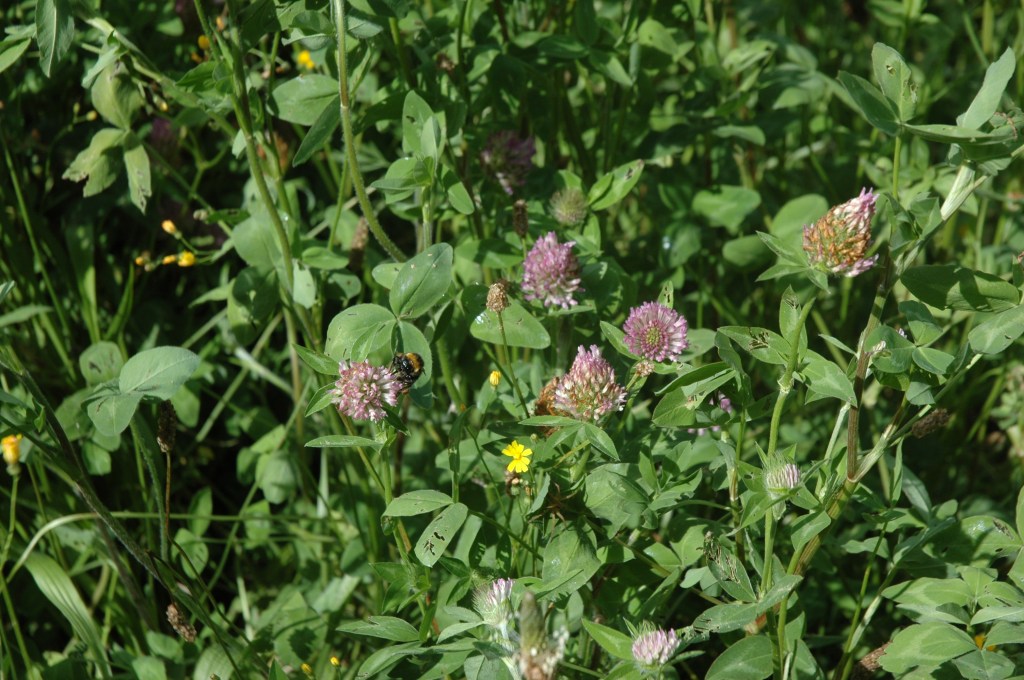
Tolhurst explains that he uses ramial woodchip in very modest amounts and adds this into the green manure phase of the growing system. Because they are in the UK, most of their ramial woodchip is harvested in winter and this works well as many of their indigenous trees are deciduous.
At Flowering Bean Organic Gardens, we are exploring using ramial woodchip from introduced deciduous trees and may experiment with some branches from native non-deciduous trees. Not scientific, but certainly a fun to experiment to see what happens in our growing system.
Flowering Bean Organic Gardens
Woodchips on pathways
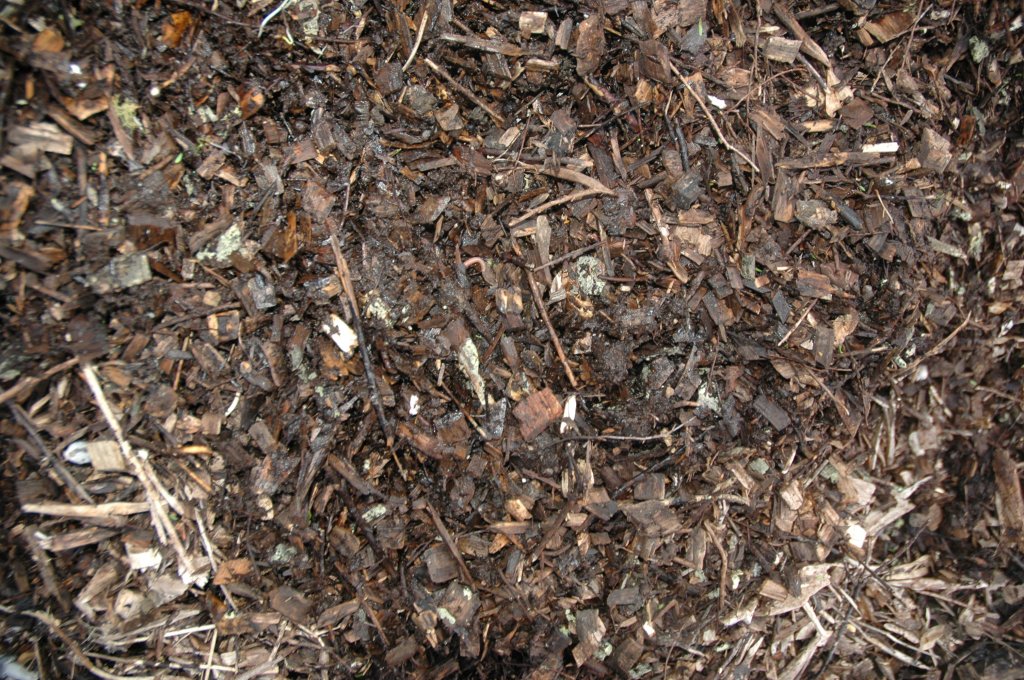
The other application of woodchips at Tolhurst Organics is the more traditional use of woodchips on pathways. The advantage, Tolhurst explains, is that the woodchip suppresses weeds and adds fertility as it breaks down and the fertility moves across into the beds carried by microorganisms. They lay it about 7cm thick and it reduces weeds for about 2 to 3 years before it is topped up again.
Talking to Tolhurst and learning more about the innovations on his farm, was certainly inspiring and I know there are many here in Aotearoa trying out new systems and ideas in both commercial and residential gardens. I hope this interview inspires and provides an introduction to the huge topic of using woodchips for fertility.
Happy gardening and growing!
- Monbiot, G. (2022). Regenesis. Allen Lane ↩︎
Further information
For anyone wanting to do a deep dive into using woodchip in gardens and farms, I found the Woodchip Handbook, A Complete Guide for Farmers, Gardeners and Landscapers by Ben Raskin and published by Chelsea Green Publishing had lots of great information.
Don’t forget to always consider your safety when working with woodchip and compost materials. Here are some links to more more information about protecting your health when working with composting material.
Toi te Ora Public Health Protect yourself from Legionnaires’ disease when gardening
 flowering bean organic gardens