

It’s certainly a challenge managing those creatures that are in the wrong place in your garden. Knowing what to do and who to believe is difficult when you find an animal decimating your carefully tended crop.
Having a baseline can help us make garden decisions. With this foundation, plans can be made in line with your own ethics, climate, needs, and the surrounding environment. My aim is to grow organically, and I also try to create a diverse environment. This approach helps with my decision making.
Slugs and snails
An explosion of snails and slugs in any garden is an ongoing problem, especially during damp conditions. Most gardeners will attest that it’s pretty hard to get rid of any one species of animal permanently. Yet, there are some things you can do that can help create a balance.
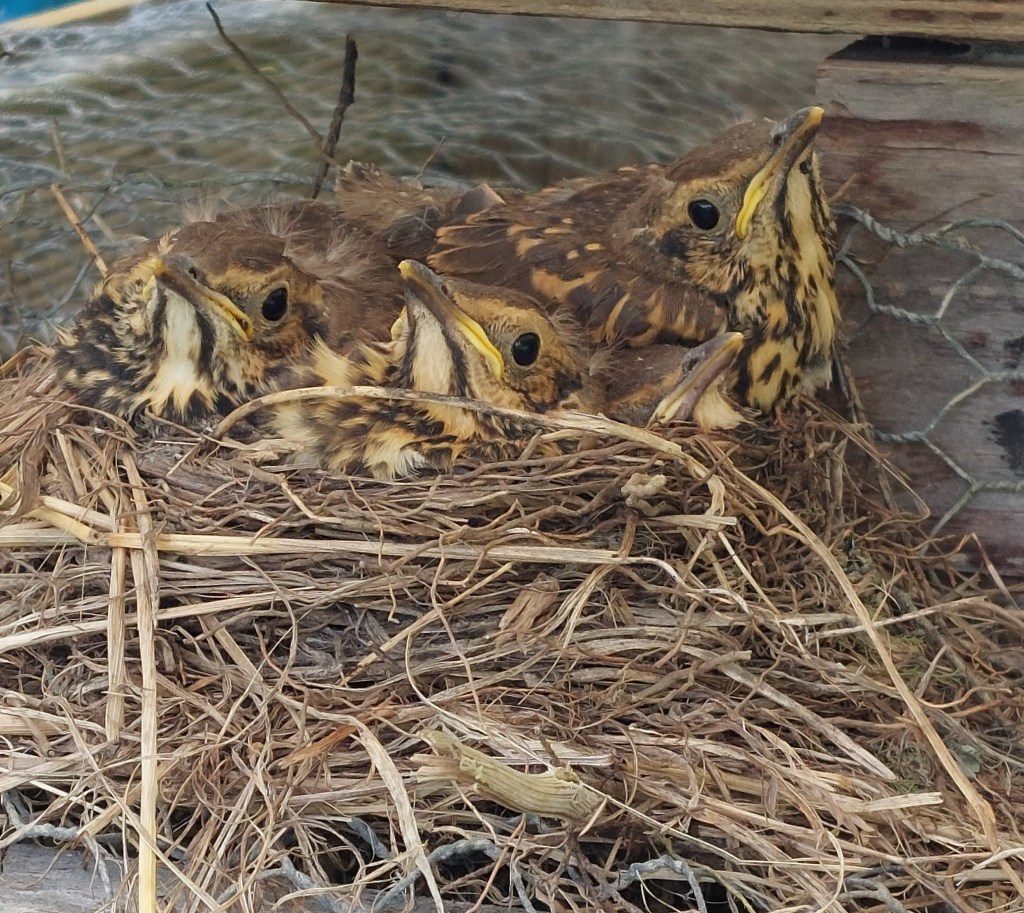
One way is to create habitats for the animals you want, while working to reduce the habitat of those you don’t. Some birds, like thrushes and blackbirds, eat snails and slugs so we encourage them. We try to create bird habitats with lots of trees and some scrubby areas. However, we also try to remove hiding places for slugs and snails. We do this by keeping the grass short close to the garden beds.
close to ground level.
Another popular method is to place pots upside down on the garden patch. This encourages snails to gather. Then, you can move them away from the garden. Be sure to take them far enough away as they will work hard to find their way back!
Slugs and snails particularly like smaller or weaker seedlings, so strong healthy plants are often less vulnerable. Growing some seedlings larger before planting them out in the garden has been a game changer. This is especially true for those plants that are vulnerable. You can read more about this here.
Sometimes it is also worth allowing one plant to act as a sacrificial plant. Leave it in place to let the slugs and snails eat it. This way, others can continue to grow strong. It seems counter intuitive, but we have had some success trying this method.
It’s also good to observe your garden to see what is chewing on your plant. Check at different times of the day. What looks like slug damage may in fact be something else.
Larger animals
You can protect your plants from seed and fruit eating birds by using netting. This method also works against small mammals. It’s a good idea to use netting that is small enough, so birds won’t get caught in it. Always keep a close eye on it and check daily in case there are issues.
Covering seeds in the ground with a green shade cloth can protect them before they germinate. This prevents seeds from being disturbed by birds. For carrot seeds this also helps to keep the soil moist which helps the seeds germinate.
Insects
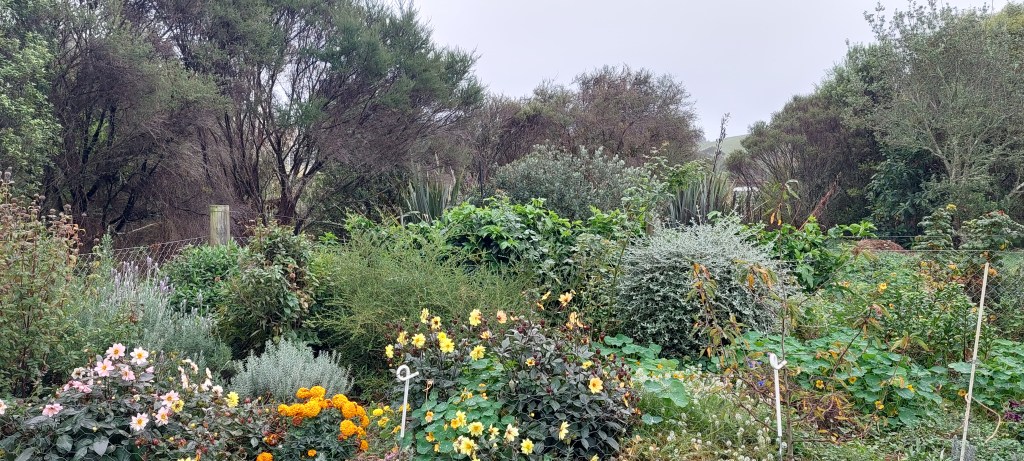
Celebrate insects! It means you have diversity. But of course, you don’t want to lose all of your crops to an overpopulation of certain insects. Having a wide variety of plants in a garden is therefore very beneficial. Diverse plantings help diverse insect populations thrive.
Flowers of different shapes and sizes will support different insects’ feeding habits. For example, the small hoverfly, often referred to as a beneficial insect, needs different things at different stages. At the larvae stage, they feed on insects like aphids. At the adult stage, they will need flowers for pollen and nectar.1
Create permanent habitats to support beneficial insects. You may wish to keep a section of the garden for perennial plants. Alternatively, dedicate a row in your vege patch. This allows for some longer-term insect habitats.
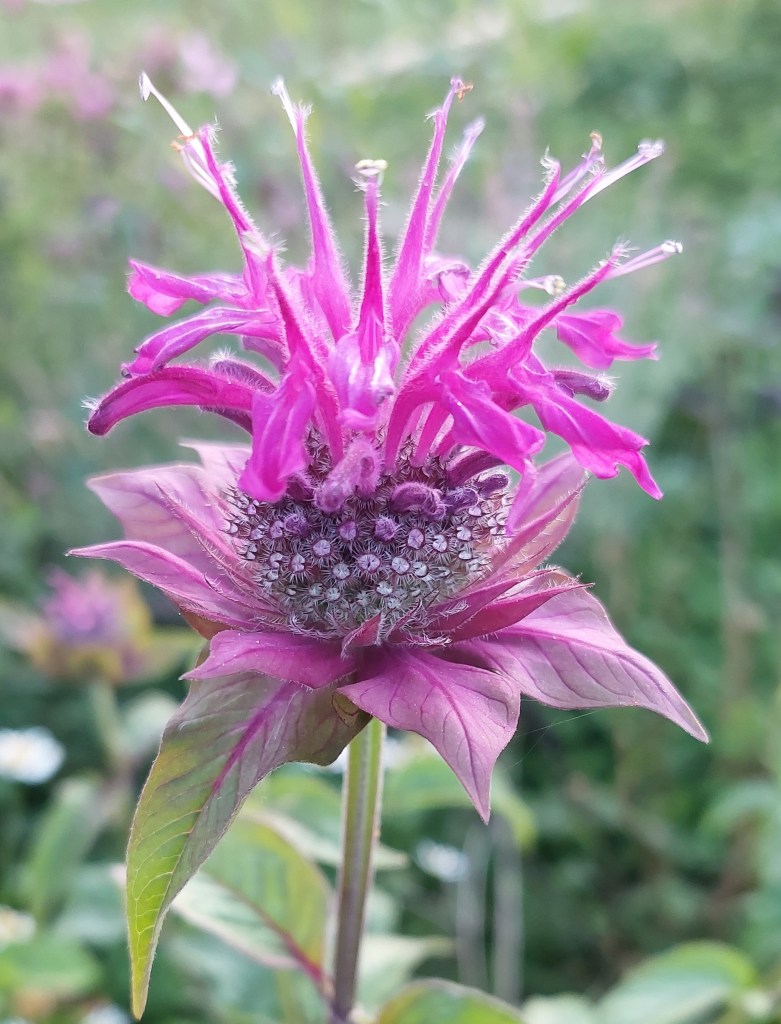
Aim to have flowers all year round, both native and introduced. Plant some eco-sourced natives to encourage native insects. Don’t forget about our native bees, ngaro-huruhuru. Other easy to grow plants to encourage beneficial insects include phacelia, alyssum, buckwheat, bergamot, cornflowers, chives and marigolds.
Spiders
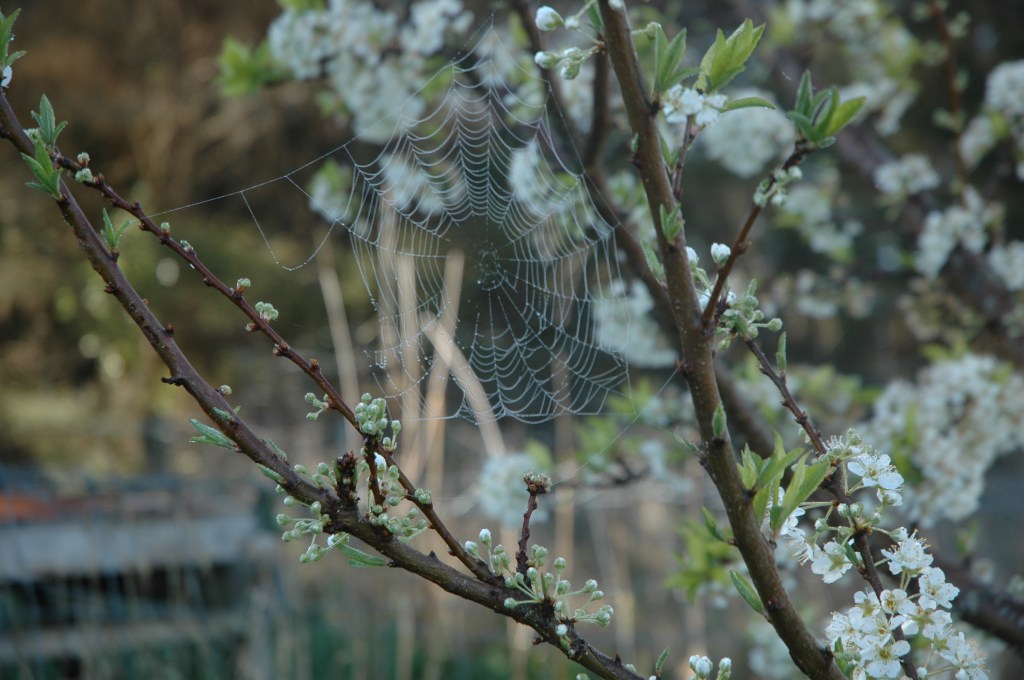
I’ll finish with the wonderful spider. They are a good sign that things are going well, and you have a diverse environment. They eat both the bugs you want and those you don’t. However, they can help prevent an imbalance of one species.
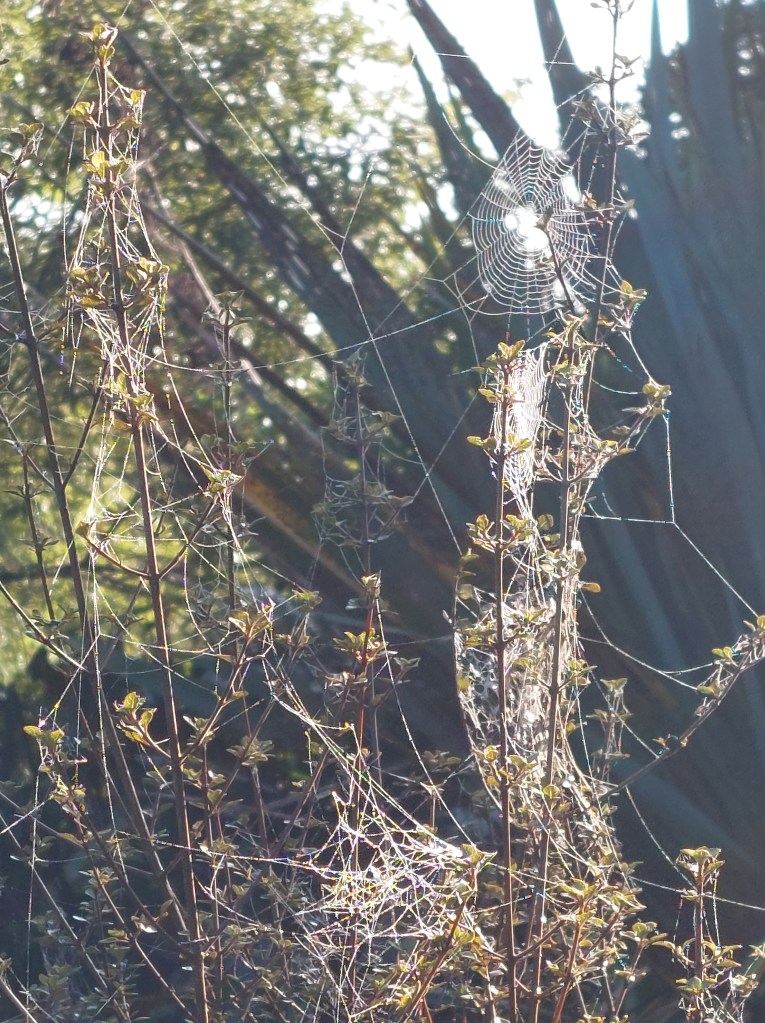
Above all experiment and play in the garden. Even commercial and experienced growers sometimes lose crops and must go back to square one. It’s also another good reason to create diversity and spread the risk.
- Martin, N.A. (2010, revised 2015). Small hoverfly – Melanostoma fasciatum. Interesting Insects and other invertebrates. ↩︎
Disclaimer
The information provided on this site is for general guidance only. Users of the information contained on this site must make their own assessment of the suitability and appropriateness of the products, services and information for their particular use.
 flowering bean organic gardens