
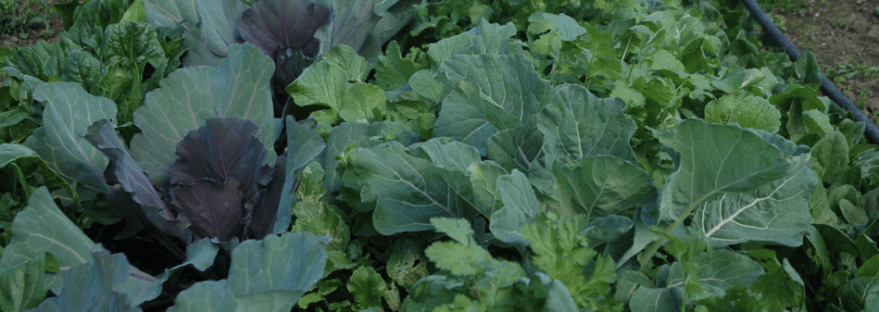
I first interviewed Coral Remiro in 2024. At that time, she was the farm manager at Earth Stewards, an urban farm in Kirikiriroa, Hamilton. We had a fascinating chat about the successful polycropping method she’d implemented on the farm.
What is polycropping?
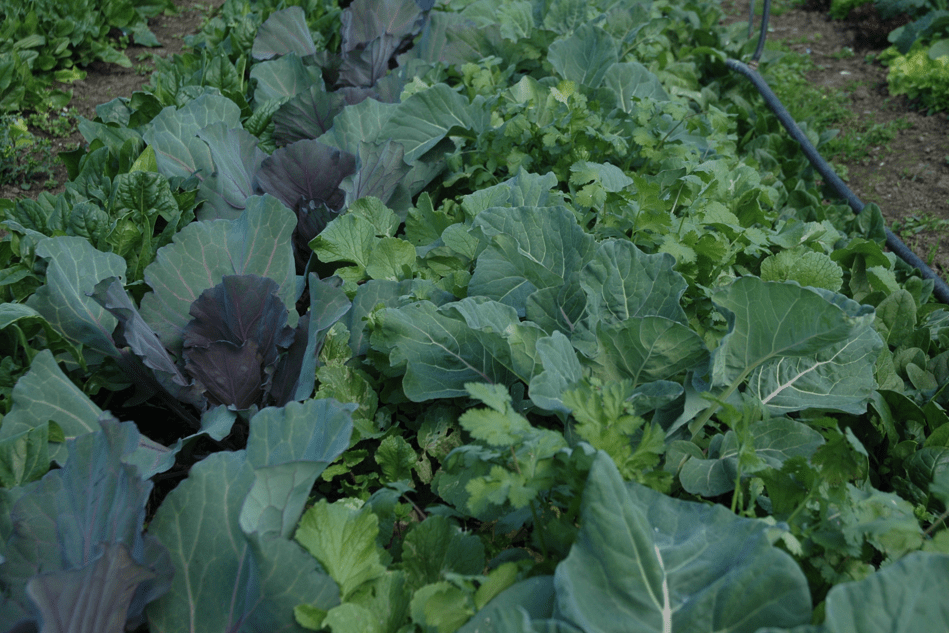
Polycropping is a technique that involves growing different crops together in a garden bed instead of using the more traditional monocropping planting method. It can be used in a small garden or larger growing system.
What are the advantages of polycropping?
Coral has found that one of the advantages of polycropping is an increase in the number of plants that can be grown in a small space. This has created more space to plant cover crops. She says, this has been a game changer as the cover crops reduce weed pressure, add a source of nitrogen, and provide more compost material.
Polycropping also increases biological diversity in and above the soil, directly helping to maintain a balanced system. Different insects, microorganisms, and other animals are attracted to the different habitats provided by different plants in close proximity.
Is polycropping complicated?
Polycropping is complicated until, as Coral says, “you can get your head around it.” She does not spend time these days considering companion planting so much as thinking about how plants grow. She explains that there are some key concepts to consider when grouping plants together including:
- how much space is available around a plant as it grows
- how long it takes for each type of plant to reach harvest size
- light requirements for each plant
- how different plants grow – vertically or horizontally
- if the plants are root or leaf crops.
Hero plants
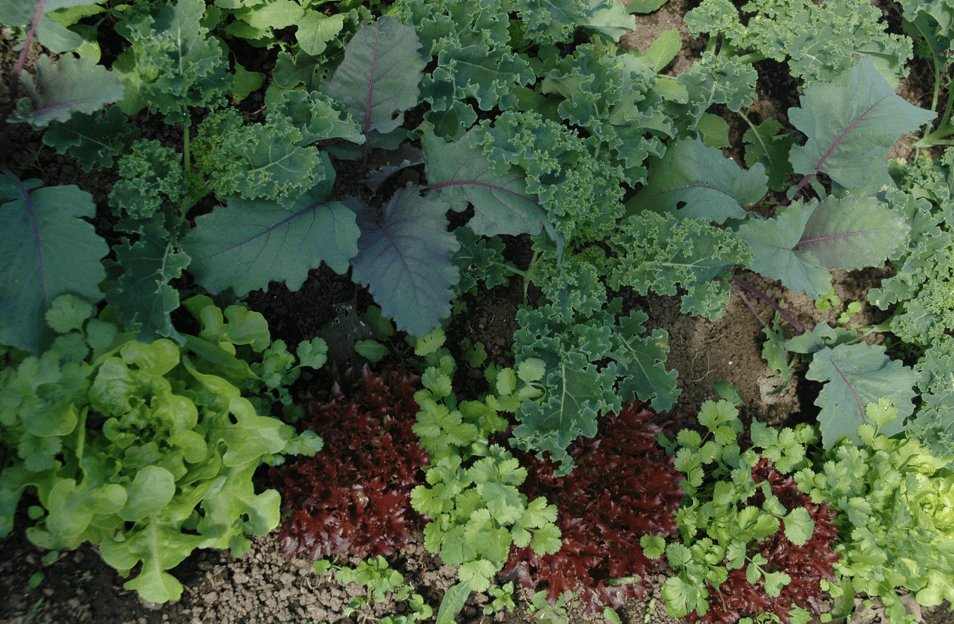
In her planning Coral thinks about how to create guilds – groupings of plants that support each other. She has found the best way to plan her garden is to organise plants into groups based on how long it takes for them to grow to harvest size: short, medium, and long-term. Plants like tomatoes and brassica take the longest to grow and she says these are the ‘hero’ plants. She suggests using these plants as a base to work around and then planting faster growing and smaller plants around these, for example, coriander and radish.
The importance of record keeping
Like all gardeners and growers, Coral has learnt some lessons the hard way. For example, she planted lots of beetroot plants around other plants without considering how much light they needed. She says, one of the keys to success in polycropping is observation and recording what works well and what doesn’t. I would also suggest taking a photo before you forget – seasons pass fast!
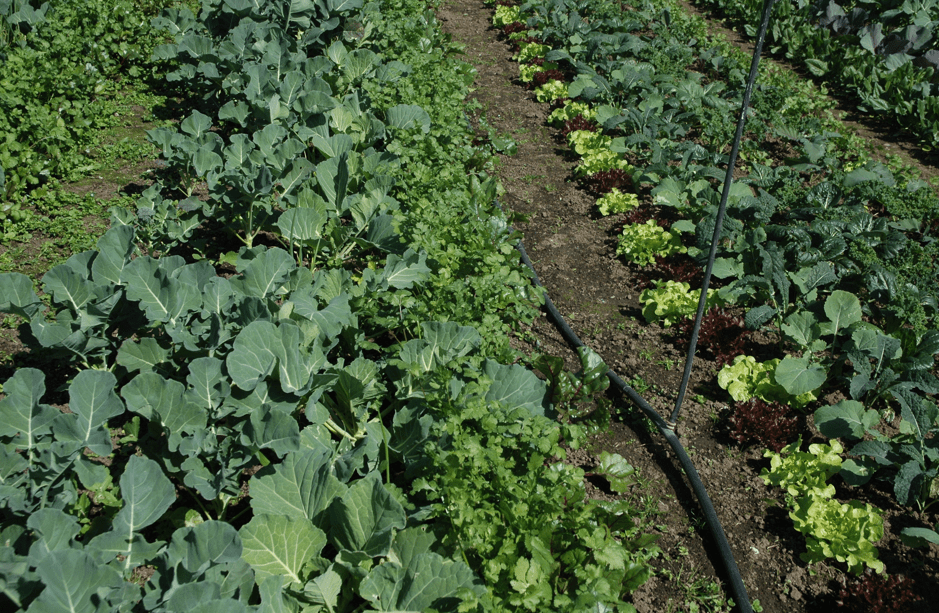
What I really appreciated when talking to Coral was her openness to trying new things in the garden. I also valued her approach to creating diversity. It’s always good to remember that in a garden, diversity can mitigate risk.
Visiting Earth Stewarts Urban Farm https://earthstewards.nz/ and chatting to Coral was an inspiration.
Happy Gardening

 flowering bean organic gardens