
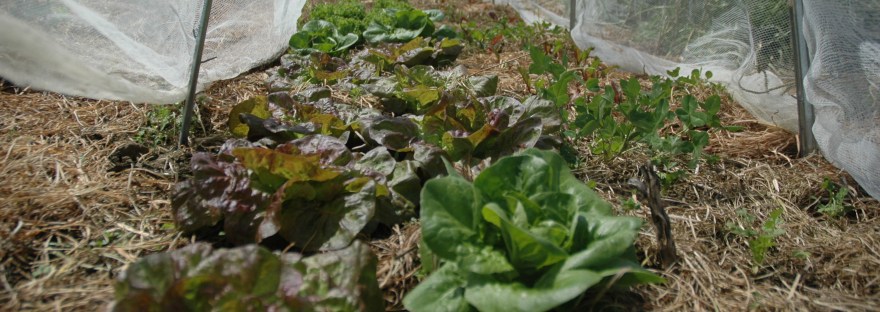
Crop rotation is simply organising plants into different plant families and rotating the plantings over time, or basically not planting the same annual crops in the same place each year.
Crop rotation does require some planning. If detailed planning is your thing, you can create a long-term rotation design with a detailed plan (probably more for a market gardener), or you can also keep it simple and incorporate at least some rotation around the garden.

Healthier Soil, Better Harvests
Different plants require different nutrient levels, so rotating your crops can help reduce the number of inputs you may need to use. A crop that is a heavy feeder can be followed by something that requires less nutrients, and a crop with deep roots followed by a shallow rooted crop.
Another advantage of crop rotation is reducing the potential for soil-borne disease. This is because plants in the same family are more likely to suffer from the same issues. For example, planting brassicas (e.g., kale, broccoli, cabbage, and cauliflower) in the same plot every year increases the risk of club-root, because the fungal disease’s spores can persist in the soil. It’s a good idea to leave a gap of at least three or four years between plantings.
Rotating crops can help reduce insect damage by preventing a build-up of damaging insects in a crop year after year.
Another advantage is different crops work on the soil in unique way, for example, deep rooting crops can improve the soil structure.
Different plant groupings
It is useful to have some understanding of the different families of plants if you want to use crop rotation. I also find it useful to keep seeds stored by the different groups in containers.
- Peas and beans (Fabaceae or legume)
- Broccoli, kales, cabbages, cauliflower, radish (Brassicaceae, or brassica – cabbage family)
- Beetroot, chards and silverbeet (Amaranthaceae)
- Leeks, onions, spring onions, garlic (Allium family)
- Courgette, melons (Cucurbitaceae)
- Carrots, celeriac, celery (Umbellifeae)
- Tomatoes, capsicums, potatoes, and eggplants (Solanaceae – nightshade family)
- Corn and grains (Poaceae – grass family)
- Kumara (Conolvulaceae – bindweeds or morning glories)
Developing a crop rotation plan
There are many different examples of rotation plans
available so I am not putting one specific one here and
it really depends on your own set up. You might choose a more complex rotation that runs over a seven-year cycle and incorporates a couple of years of fertility building with cover crops (more for a market gardener). Another alternative for a smaller plot could be based on grouping your rotations by root crops, brassica, greens and legumes, and alliums. You would then try to have a long gap between replanting in the same bed those that are more susceptible to disease like alliums, tomatoes,
brassicas and potatoes.
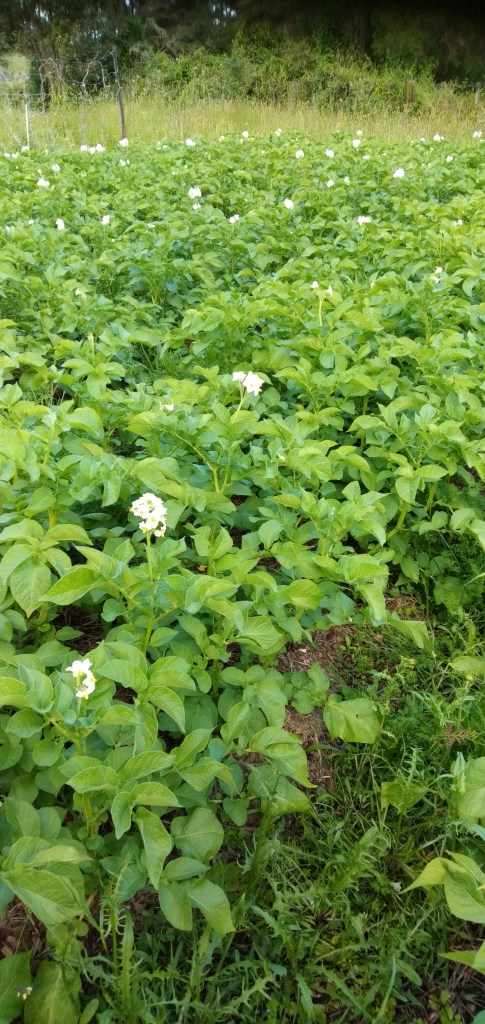
I find it particularly successful if I have an area that has been in a cover crop or a new bed that has been in grass, to start with potatoes to break up the soil, then I will then grow a range of brassica depending on timing as they require more fertility; if it is later in autumn and too late to get the brassica in I may just pop in a legume after potatoes such as broad beans over winter. Lettuce I pop in wherever I have a gap. Another successful rotation I have had is planting broccoli after kumara.
There are loads of great resources on rotation planting, so again how you plant depends on what you are doing in the garden and how detailed you want to be. And keep a record of what you plant where, you’ll think you’ll remember, but two years later it can be different story – jot it down or take a photo.
Diversity is still key

Whatever you decide to do in your garden, don’t forget the other principles to incorporate, mulching well, well matured compost and adding in lots of plant diversity. Add in flowers and natives wherever you can to attract all those beneficial insects and increase soil life – remember nature loves diversity and flowers can lift the spirit on a gloomy day.
Happy growing.

 flowering bean organic gardens