
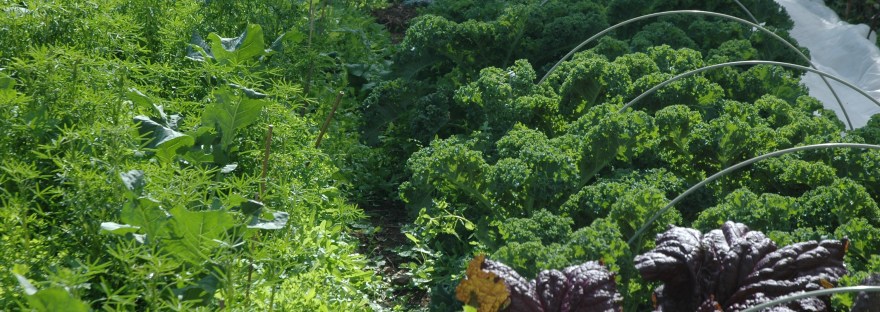
If you’ve been on any health kick, you’ve likely heard someone highlight the benefits of cruciferous vegetables. You’ve probably eaten some too. The most familiar in this group are brassica, e.g. broccoli, pak choi, cabbage and cauliflower. Others include the much-touted rock star vegetable kale. There is also the unusual-looking kohlrabi. My current favorite is the nutrition powerhouse collard greens.
However, eating these vegetables is one thing, but growing them can leave you feeling a little underwhelmed. You question your gardening skills when your broccoli is hit by white butterflies, the kale gets covered in whitefly and seedlings are demolished by slugs and snails. While much advice focuses on using slug bait, chemical fertilizers, and manures, there are some key principles. These principles can help you grow healthy plants.
Crop rotation
Vegetables require a good level of soil fertility and by rotating crops around and incorporating cover crops and compost, the heaviest feeders like brassicas, can go into a more fertile part of the rotation cycle. Another advantage of crop rotation is it helps to reduce disease and weed pressure. Even if you are planting a mix of vegetables, some form of crop rotation of annuals can help soil health.
Ideally, leave a gap of three to four years between each brassica crop. In raised beds, it’s possible to plant different families in each bed and rotate them between the beds.
If you have the space, start each crop rotation cycle with a green manure crop. We use a mixed cover crop including clover. We leave this in for 18 months and this acts to grow the soil microbiology and we cut and drop the cover crop multiple times during this phase. But even just one season using a cover crop like lupins and phacelia, to build fertility and organic matter, can help to get the soil humming.
After this initial cover crop I plant potatoes and once harvested, in go the first late summer brassica crops.
Mulching and compost
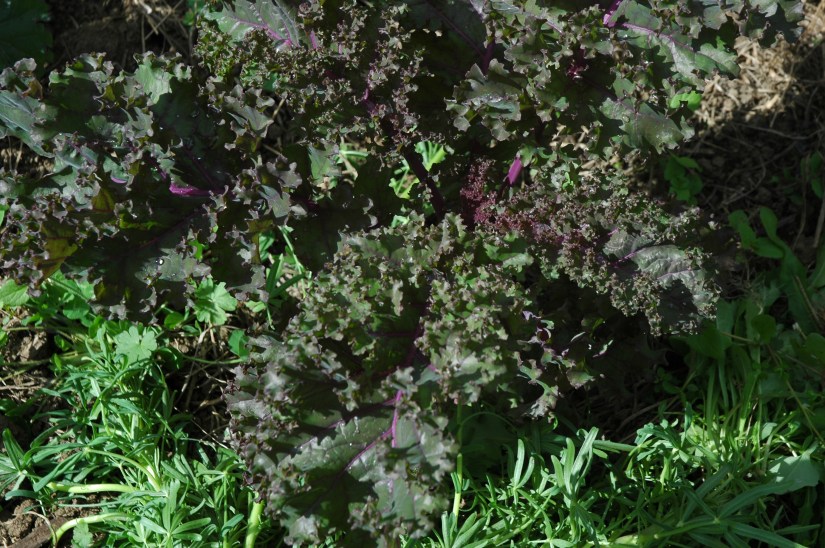
Mulch not only keeps the moisture in, but it also adds to fertility as it breaks down. You can mulch with cover crops, compost, straw, grass and even weeds (not invasive ones or ones which have gone to seed).
Adding compost will also add fertility for brassica crops which are heavy feeders, especially those like cauliflower that require a long growing season. You can also mulch with compost.
Seeds and seedlings
One key element to successful vegetables is growing robust seedlings. Experiment with different seeds and know that even the most experienced grower has suffered seed varieties that don’t do so well in their garden. Weather, climate and soil temperatures all play a part.
Rocket and mizuna can go straight in the ground for some fast salad greens. But for others you’ll need to grow as seedlings first and the stronger the better, so they are less tempting to slugs and snails.
Broccoli, collards, cabbage and kale need extra care before they go into the garden bed. If you are raising from seeds yourself, plant them into trays first, then prick them out when they have their first true leaves – the second pair of leaves – and then repot them into larger, deeper trays or individual pots. The extra boost at each stage gives them a boost of extra fertility. This also helps the plants develop a good root system before they go into the ground. Wait until they are about 8-10cm before planting out. I have found this also helps reduce slug and snail pressure on the plants.

We use a seaweed fertilizer for our seedlings when they are establishing to give them a boost. We grow most of our seedlings in our own sifted compost, and it is rich in microbiology and the seedlings just thrive. We’ve spent quite a while perfecting this so if you can, try to get a compost heap underway.
Cover your crops and choose your timing
Netting is essential when growing broccoli, cabbages, collards and kale in our gardens. Where we live, we find we can plant seeds in early spring and again in late January through autumn to establish the plants before the cooler months. When the white butterflies are around we keep the plants covered with netting until we hit cooler temperatures and the white butterflies are gone.
There are also plants which help repel white butterflies and diversity in the garden creates habitat for beneficial insects in even the smallest garden. But with many brassicas I find covers are still essential.
Happy growing and eating…

 flowering bean organic gardens